

What Travel Does for Families—and the Teenage Brain
There is a moment many parents recognize: your child is suddenly a teenager, graduation is no longer far away and the years you thought you had begin to feel very short.
You may find yourself thinking, We meant to take more trips together.
Travel cannot stop time. But it can change how we experience the time we still have.
Research presented at Virtuoso Travel Week explored how travel supports well-being through positive emotion, engagement, relationships, meaning and accomplishment. The relationship piece may be the one families feel most deeply—especially during the teenage years.
Travel does not magically fix family tension, turn teenagers into eager conversationalists or make every moment picture-perfect. What it can do is change the conditions around a relationship. Sometimes that is exactly what connection needs.
Traveling with teens creates opportunities to build confidence, explore different cultures, and connect outside the routines of home. Thoughtful family travel planning makes room for those experiences while respecting a teenager’s growing independence.
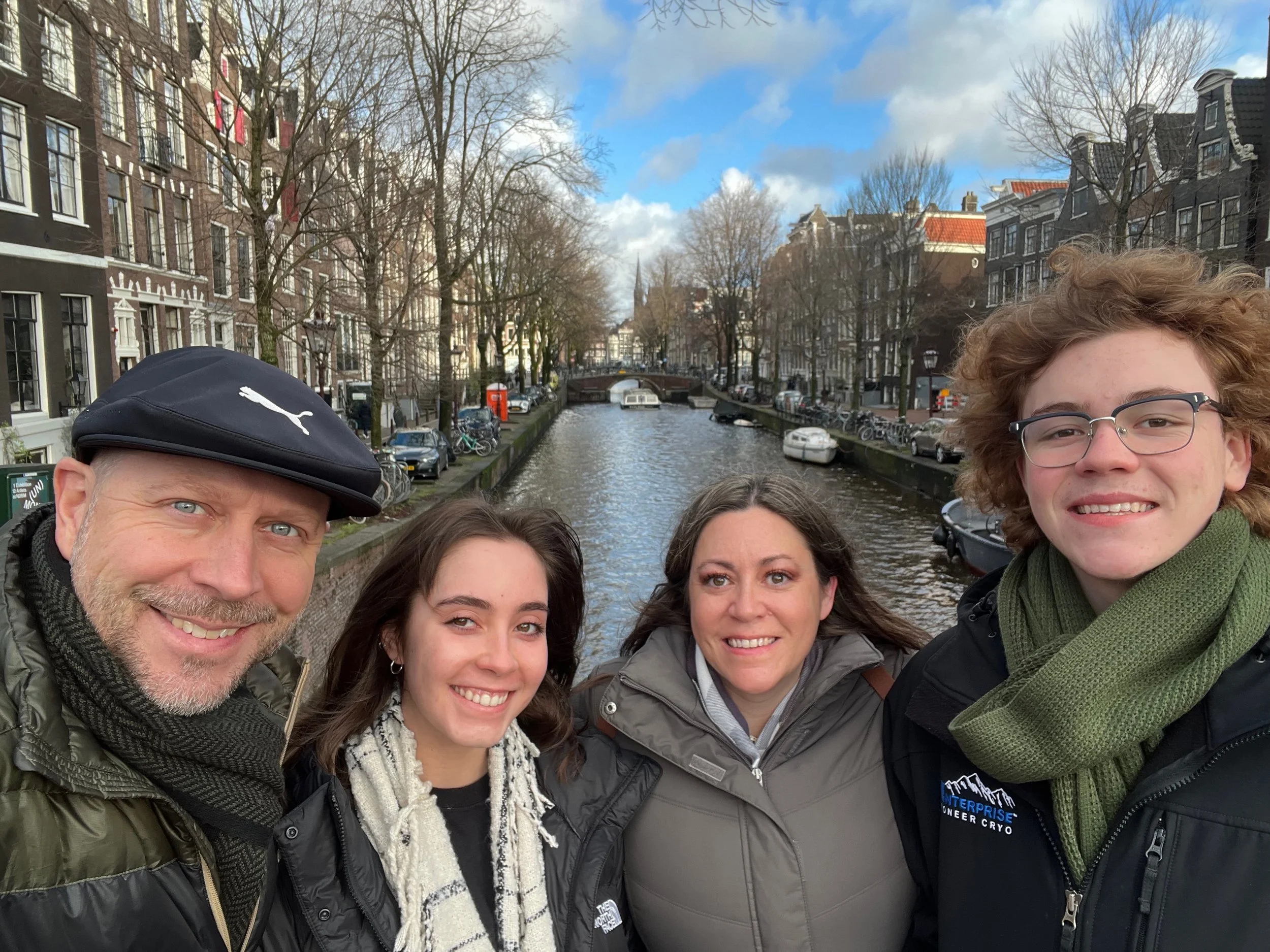
Travel meets the teenage brain at a powerful moment
Adolescence is an important period of brain development. The teenage brain is highly adaptable and responsive to new experiences, while young people are exploring their identities and relationships.
Travel gives that developing brain new material to work with.
In research shared during the Travel and Well-being session, teenagers repeatedly described travel as the first time they realized there were other ways to live. Experiencing different cultures, traditions, foods and family structures gave them a wider range of possibilities for their own emerging identities.
That does not require an elaborate educational itinerary. It can happen through conversation with a local guide, navigating an unfamiliar city or simply noticing that another family’s daily life looks different.
These experiences invite teenagers to consider not only What is this place like? but also Who do I want to become?
Travel builds confidence through experience
Travel also strengthens self-efficacy—the belief that I can handle what comes my way.
Even teenagers traveling with parents reported gaining confidence from their trips. They are still learning to move through unfamiliar surroundings, communicate with new people and recover when something does not go as planned.
For parents, the value is not limited to raising a more capable or open-minded child. Travel lets us witness our teenagers differently.
We may see the cautious child try something brave or the teenager who seems disengaged at home become completely absorbed in a new place. Teenagers also get to see their parents learn, adapt and occasionally get things wrong.
Away from the routines and tensions of home, parents and teenagers have an opportunity to meet one another as people.
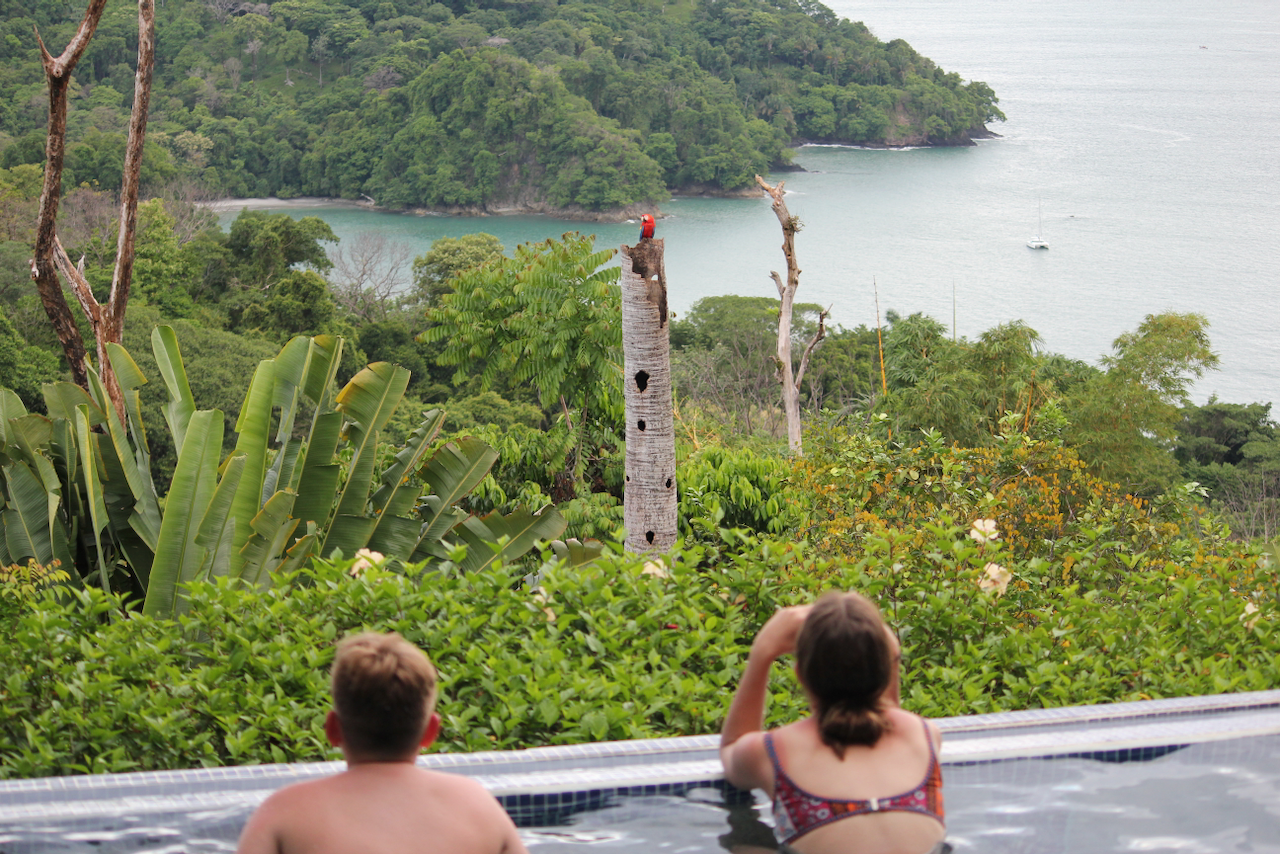
Family trips become part of the family story
One of the most striking findings shared during the session was simple: families who travel together tell stories.
They remember the missed turn that led to the perfect little restaurant, Dad’s spectacularly wrong pronunciation or the rainy afternoon that somehow became everyone’s favorite day.
Those stories do more than preserve a vacation. They help create a shared family identity: This is who we are. This is what we do. This is what matters to us.
Research discussed at Virtuoso Travel Week connected strong family storytelling with greater self-esteem in children, stronger parent-child connection and a clearer sense of belonging. Travel is particularly powerful because it naturally produces the moments families retell.
Long after the hotel and itinerary have faded from memory, the story remains.
Shared challenges build trust
Even beautifully planned travel contains uncertainty. A train platform changes, someone gets tired or a family has to navigate an unfamiliar place together. These moments give families evidence that they can adapt—and rely on one another.
Those small wins become shared proof: We figured it out. We can do hard things together.
Travel can also reveal tension. We bring our habits, fears and expectations with us. Another Virtuoso Travel Week session emphasized recognizing when anxiety is driving our reactions and creating space before responding.
That is useful in a boardroom. It is equally useful when everyone is jet-lagged and the room is not ready.
Travel creates room for real conversation
At home, conversation competes with work, school, phones and the tasks required to keep life moving. Travel creates pockets of time that do not normally exist: a long dinner, a quiet drive or an unhurried walk. Conversations unfold without anyone forcing them.
This is why pacing matters. An itinerary packed from morning until night may visit every landmark while leaving little room for the connection the trip was meant to create.
Sometimes the most relationship-building part of a vacation is the part intentionally left open.
Travel can help couples reconnect, too
The same principles apply to couples. Travel interrupts familiar roles and routines. Research shared during the well-being session found that couples who traveled together and tried experiences outside their normal routines returned home reporting greater romantic passion and physical intimacy—even after decades together.
The important ingredient was not simply being somewhere else. It was experiencing something new together—something to notice, solve, laugh about and remember.
The best family trips are designed around the relationship
As both a mother and a travel advisor, I understand the urgency behind the words, We want to take this trip before the kids leave home.
A meaningful trip is not created by choosing the most impressive hotel or fitting the maximum number of activities into each day. It begins by asking a deeper question:
How do you hope to feel about one another when you come home?
The answer changes the trip.
A family with teenagers may need shared adventure balanced with independence. A parent and child may need something new to learn side by side. Grandparents traveling with grandchildren may care less about covering a destination and more about creating stories that will still be told years from now.
The destination matters. But the real value of travel is often found in what happens between the people who go.
That is where joy takes flight.
If you are watching the years before graduation disappear faster than expected, Two Birds can design a journey around the time—and the connection—you still have.
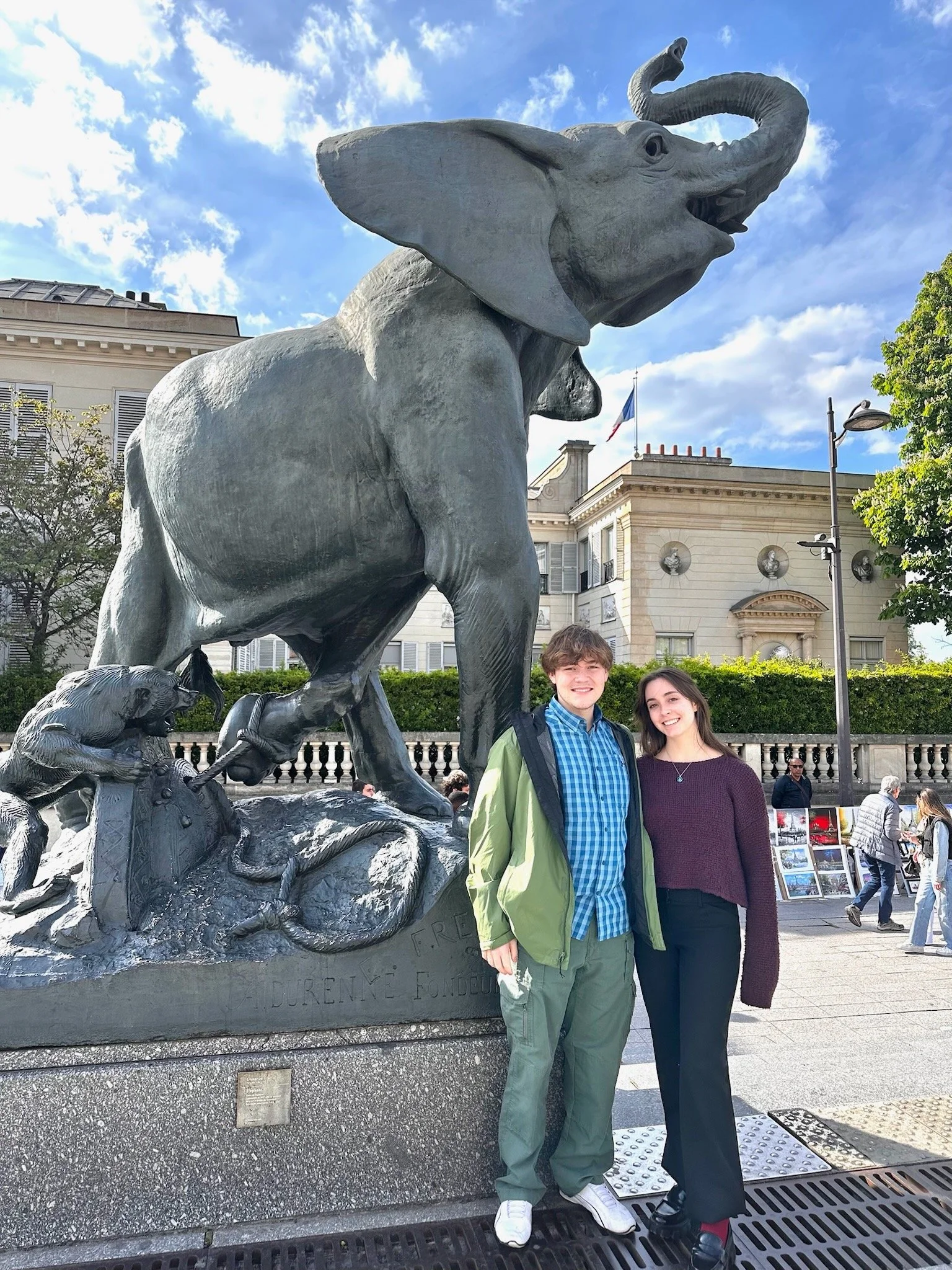
Frequently Asked Questions
How does travel affect the teenage brain?
Travel introduces novelty and complexity during an important period of brain development and identity formation. It can encourage curiosity, expand a teenager’s worldview and strengthen confidence in navigating unfamiliar situations.
How does travel help parents bond with teenagers?
Shared experiences give parents and teenagers new things to talk about, accomplish and remember together. Time away from normal routines can also help both generations see one another differently.
Does a family trip need to be educational?
No. Learning often happens naturally through food, conversation, navigation, cultural differences and new experiences. The goal is not to turn a vacation into school, but to create space for curiosity.