

The Art of Traveling Beyond the Checklist
Why the Most Meaningful Vacations Are Built Around Connection, Curiosity, and Personal Passions
Some vacations are relaxing.
Some are beautiful.
Some are fun.
But the trips that stay with us forever? Those are usually the ones where we felt something.
That’s the magic of experiential travel.
Experiential travel goes beyond simply visiting a destination. It invites you to connect with a place through its people, culture, food, traditions, nature, and unexpected moments. Instead of just seeing a destination, you begin to understand it.
As a travel advisor, I’ve found that the most meaningful itineraries are rarely the ones built entirely around sightseeing checklists. They’re the trips designed around what genuinely excites and inspires the traveler.
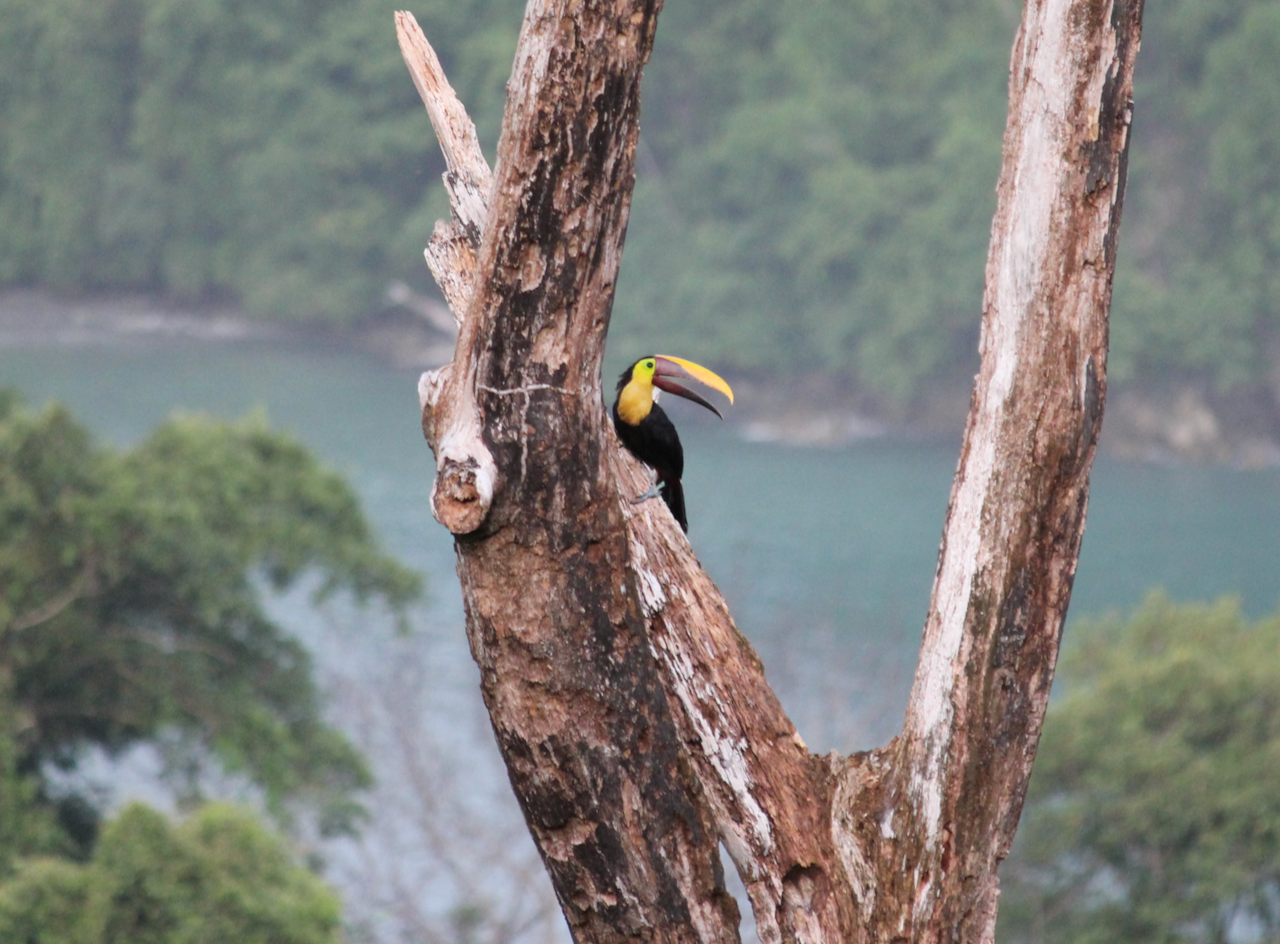
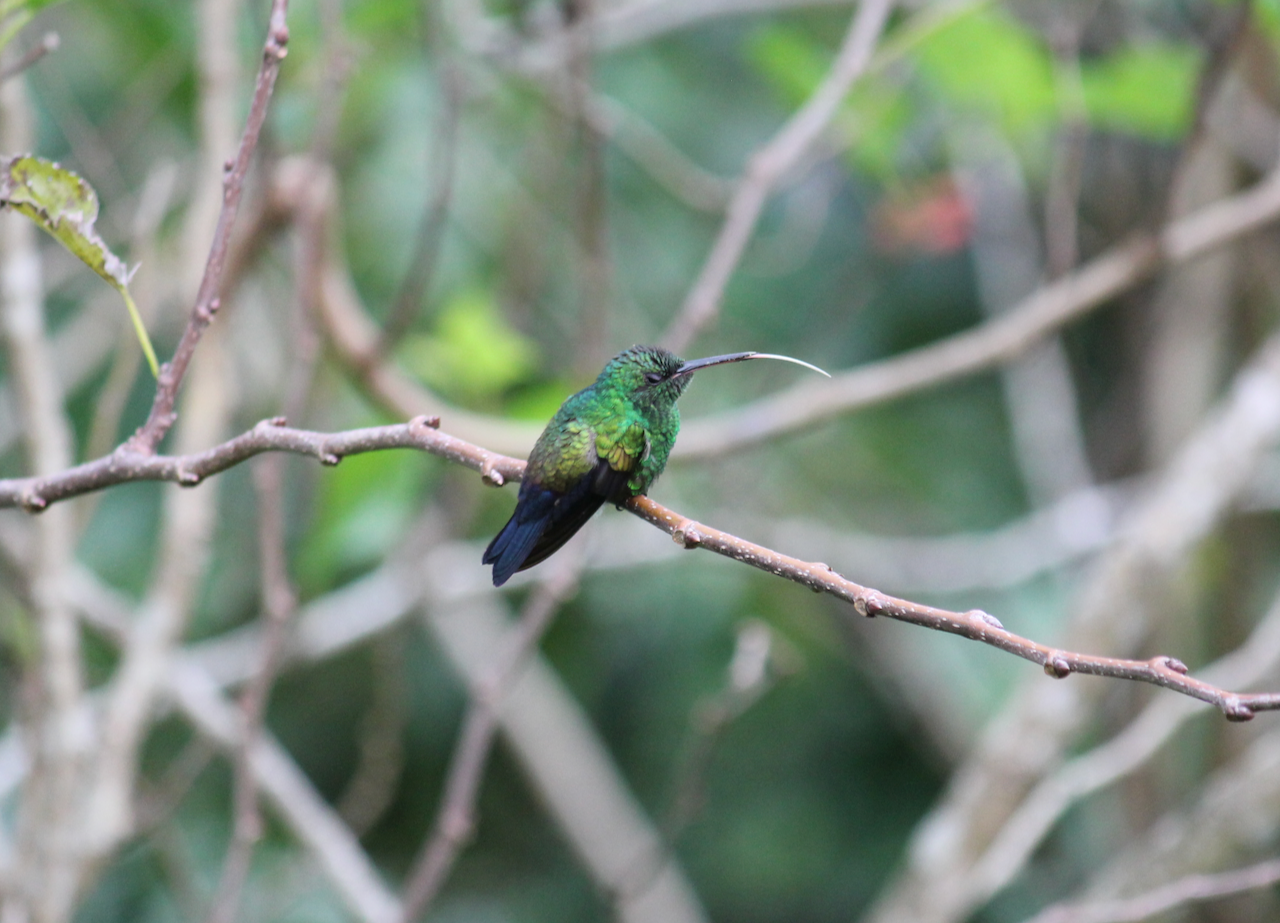
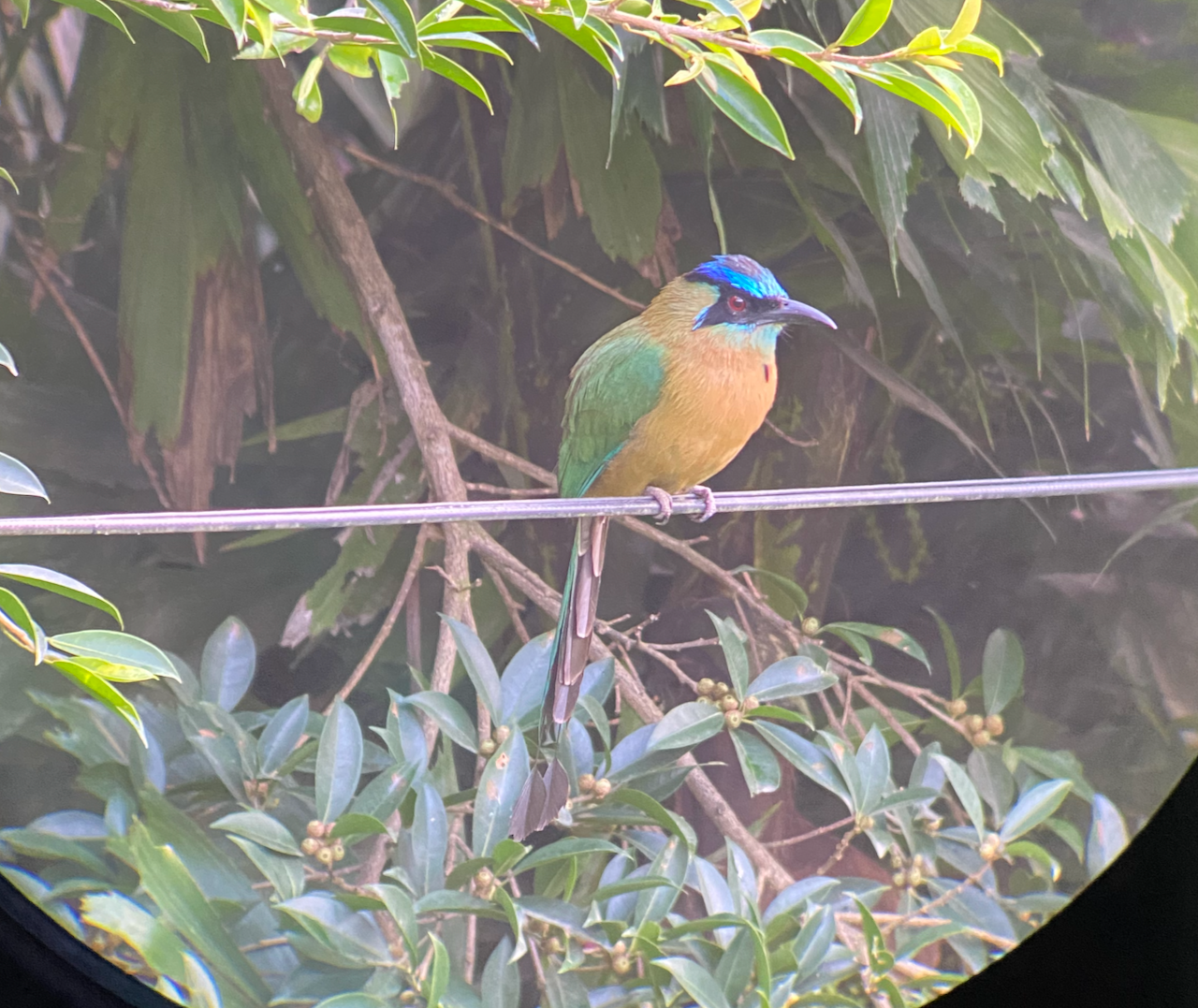
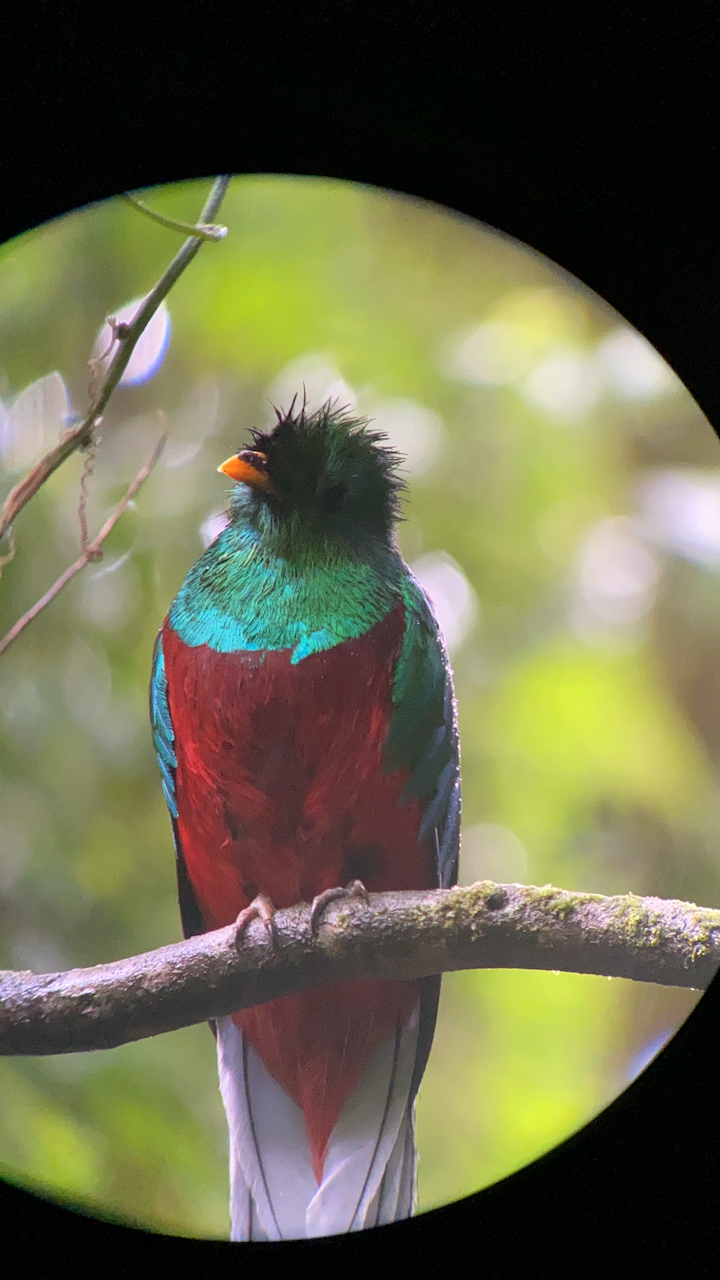
And one of MY favorite examples of this kind of travel is birding.
What Is Experiential Travel?
Experiential travel focuses on immersive, meaningful experiences instead of simply checking famous landmarks off a list.
That can look different for every traveler:
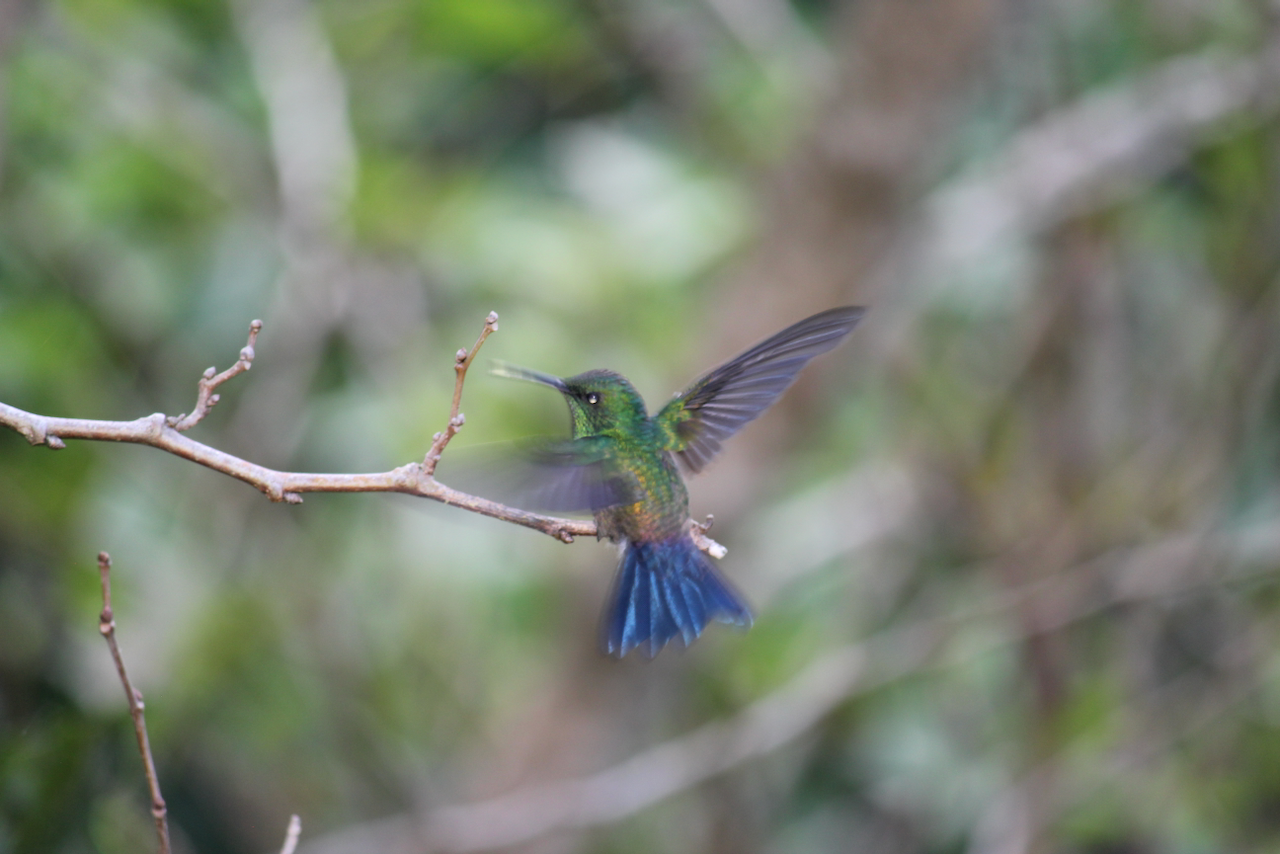
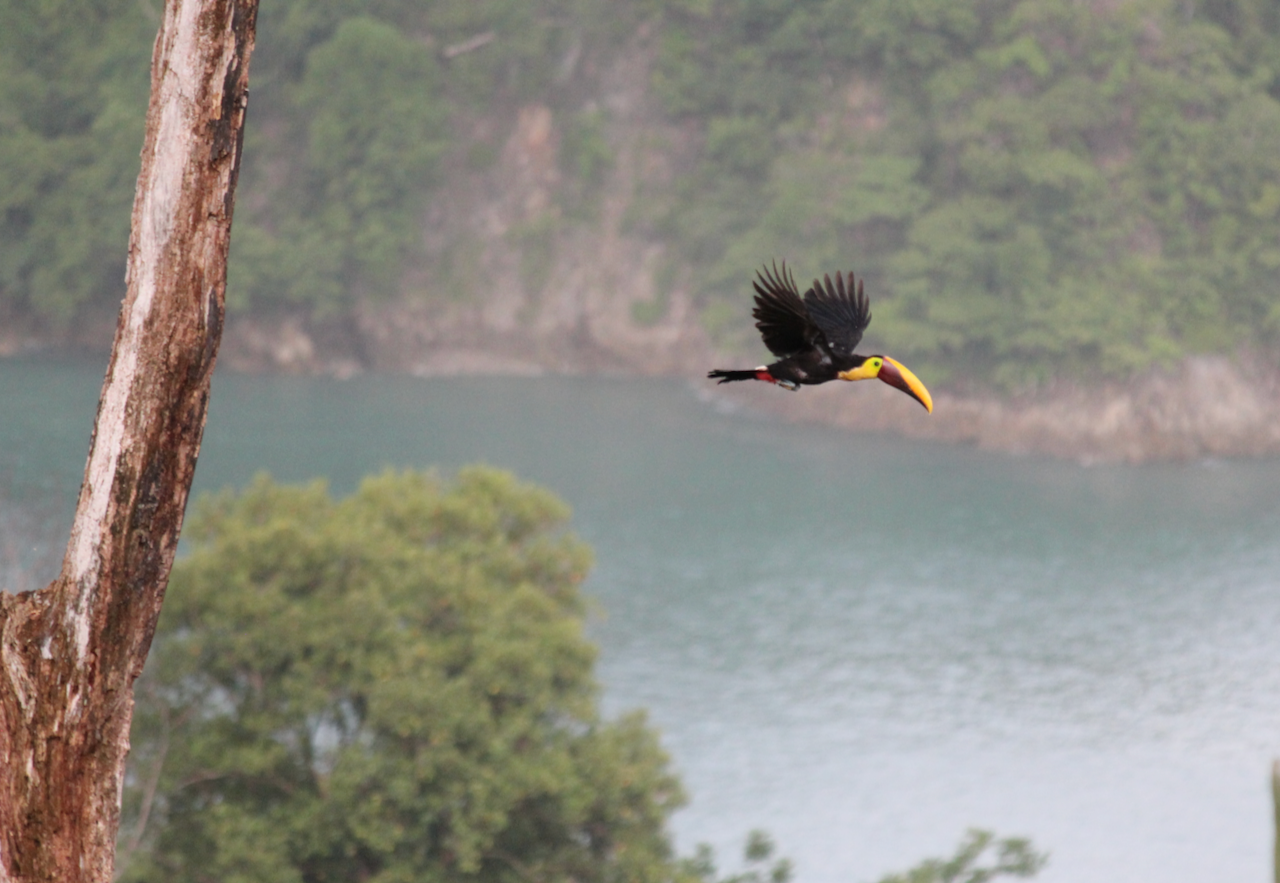
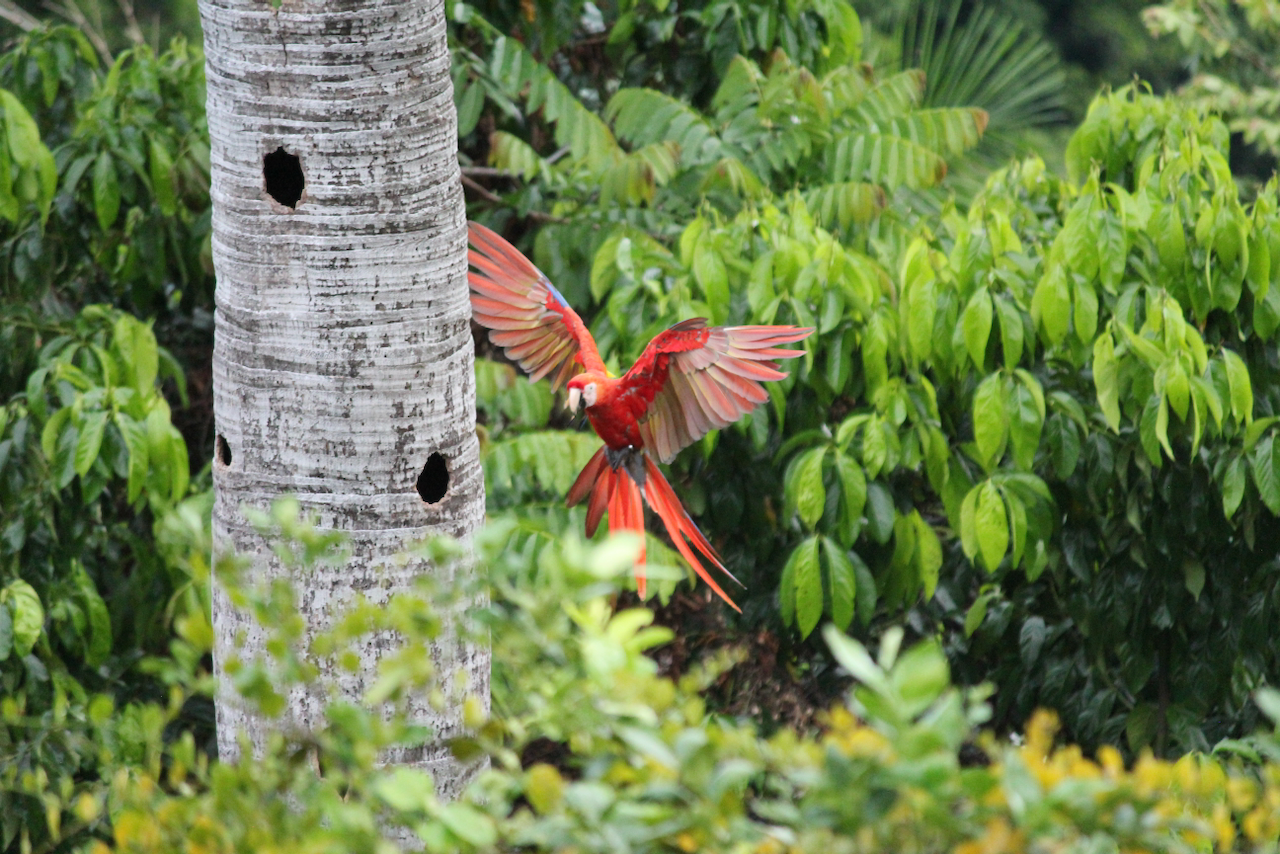
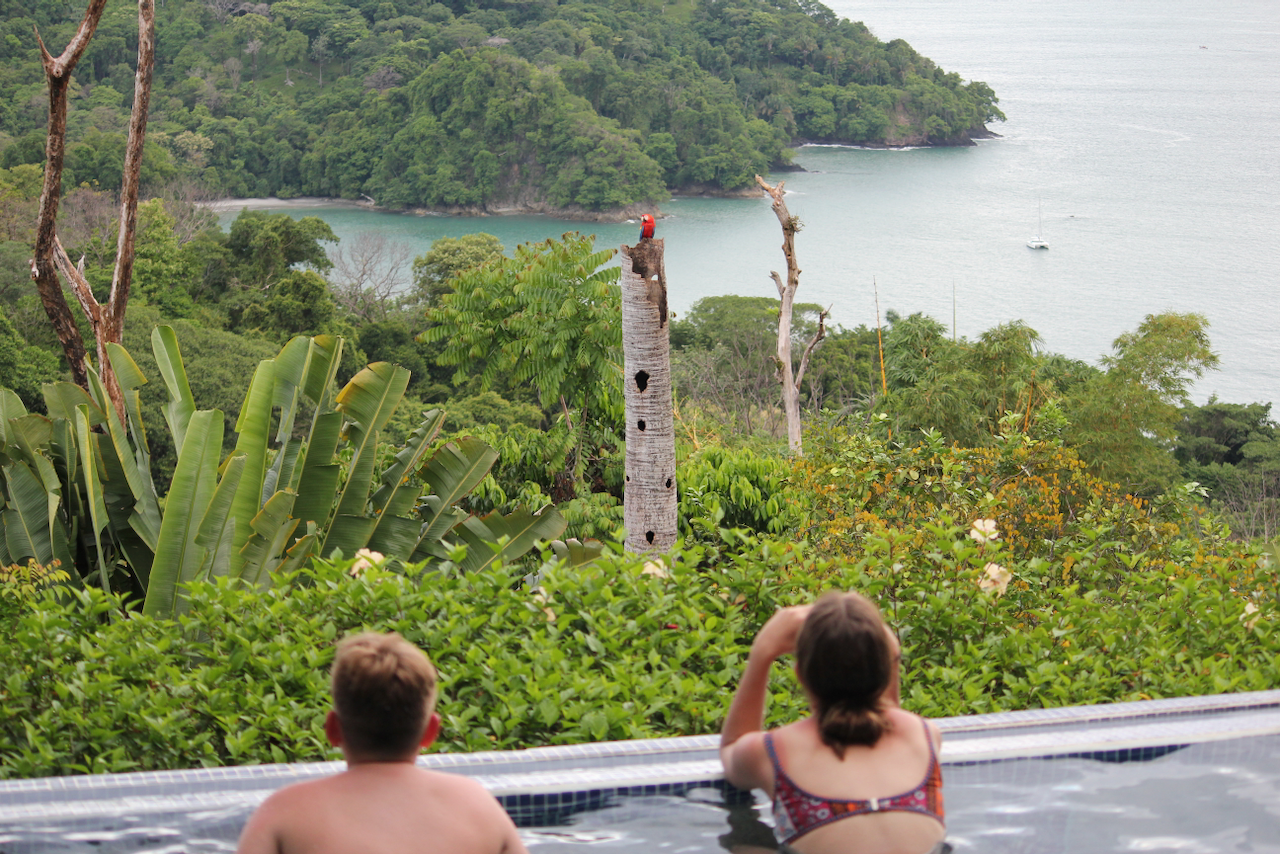
Birding in Costa Rica
Learning traditional pasta-making in Italy
Visiting family-owned wineries
Taking a photography walk through Rome at sunrise
Soaking in an onsen in Japan
Exploring local markets with a chef
Hiking with regional guides in the Dolomites
Expedition cruising with naturalists and historians
Visiting artisan workshops and family businesses
The experience becomes the heartbeat of the itinerary.
The goal isn’t to rush through a destination collecting proof that you were there. It’s to create space for moments that feel personal, memorable, and deeply connected to the place you’re visiting.
Birding as a Form of Intentional Travel
Now before you picture a checklist, binoculars, and a serious field guide — stay with me.
Birding travel is about so much more than birds.
In fact, one of the things I love most about birding is that you can enjoy it literally anywhere. I’ve brought birding checklists on trips simply because they help me engage more deeply with where I am.
Suddenly, you’re not just walking through a destination — you’re noticing it.
You’re looking up.
You’re listening.
You’re slowing down.
You’re paying attention to details most travelers miss.
Birding teaches you how to experience a destination instead of simply passing through it.
And honestly, that same philosophy applies to almost any hobby or passion.
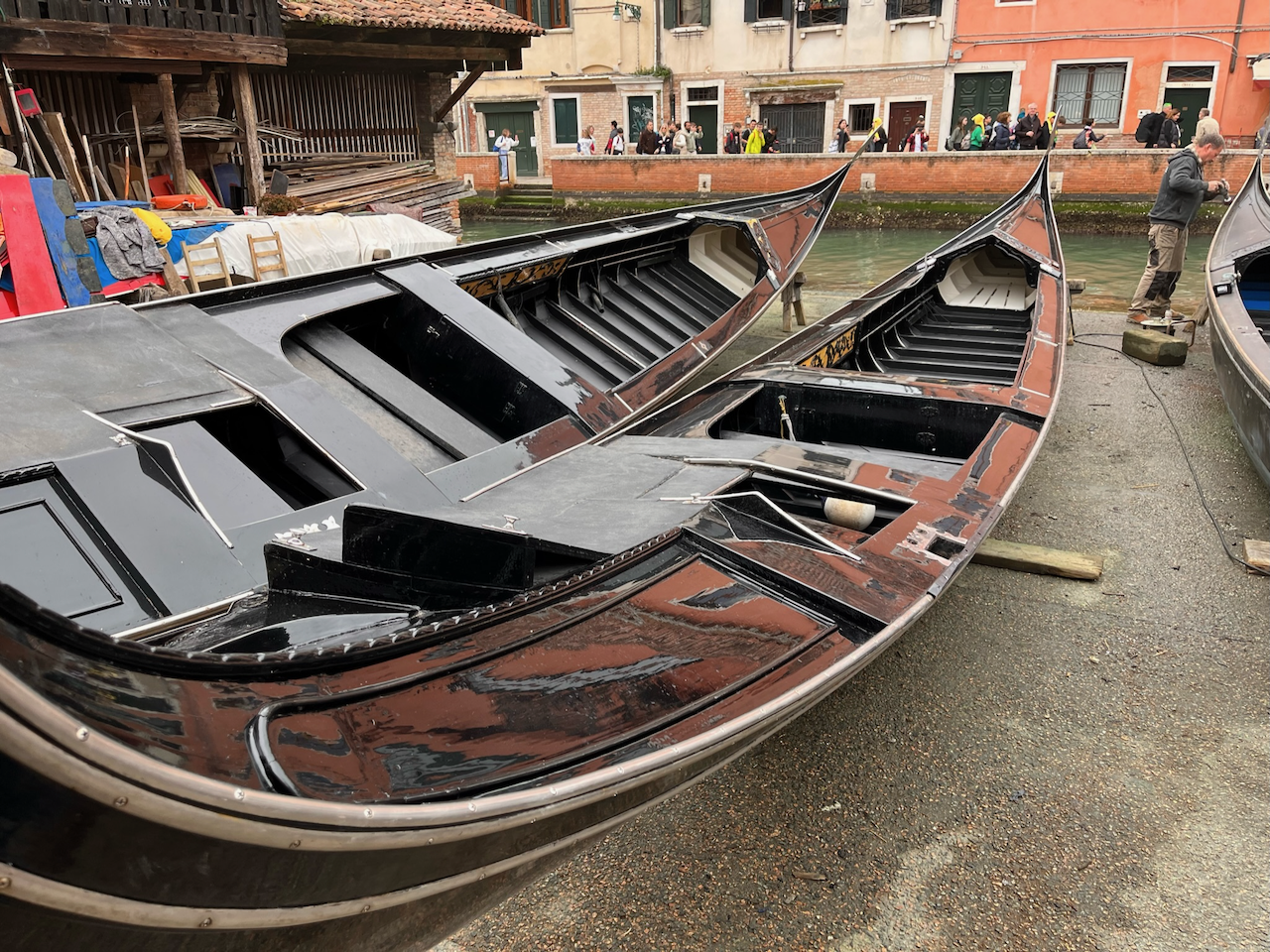
One of the last remaining gondola shops in Venice
How Personal Interests Create Better Vacations
One of the things I love most about experiential travel planning is that almost any interest can become part of a meaningful itinerary.
Love woodworking? Maybe instead of simply taking a gondola ride in Venice, we arrange a visit to a traditional gondola workshop where artisans still handcraft them using techniques passed down through generations.
Those are the moments that stay with you.
I remember visiting one of these family workshops and being surprised that their home looked far more like a Swiss chalet than the Italian hamlets I expected. The youngest daughter smiled and explained that their family had come down from the Dolomites generations ago, and their architecture and traditions were much more Austrian-influenced than Venetian.
That tiny conversation told me more about regional history, migration, and culture than a guidebook paragraph ever could.
That’s experiential travel.
It’s the understanding that destinations are layered, personal, and alive. Sometimes the most memorable part of a trip isn’t the famous landmark — it’s the unexpected story shared quietly in a workshop, vineyard, kitchen, café, trail, or family business.
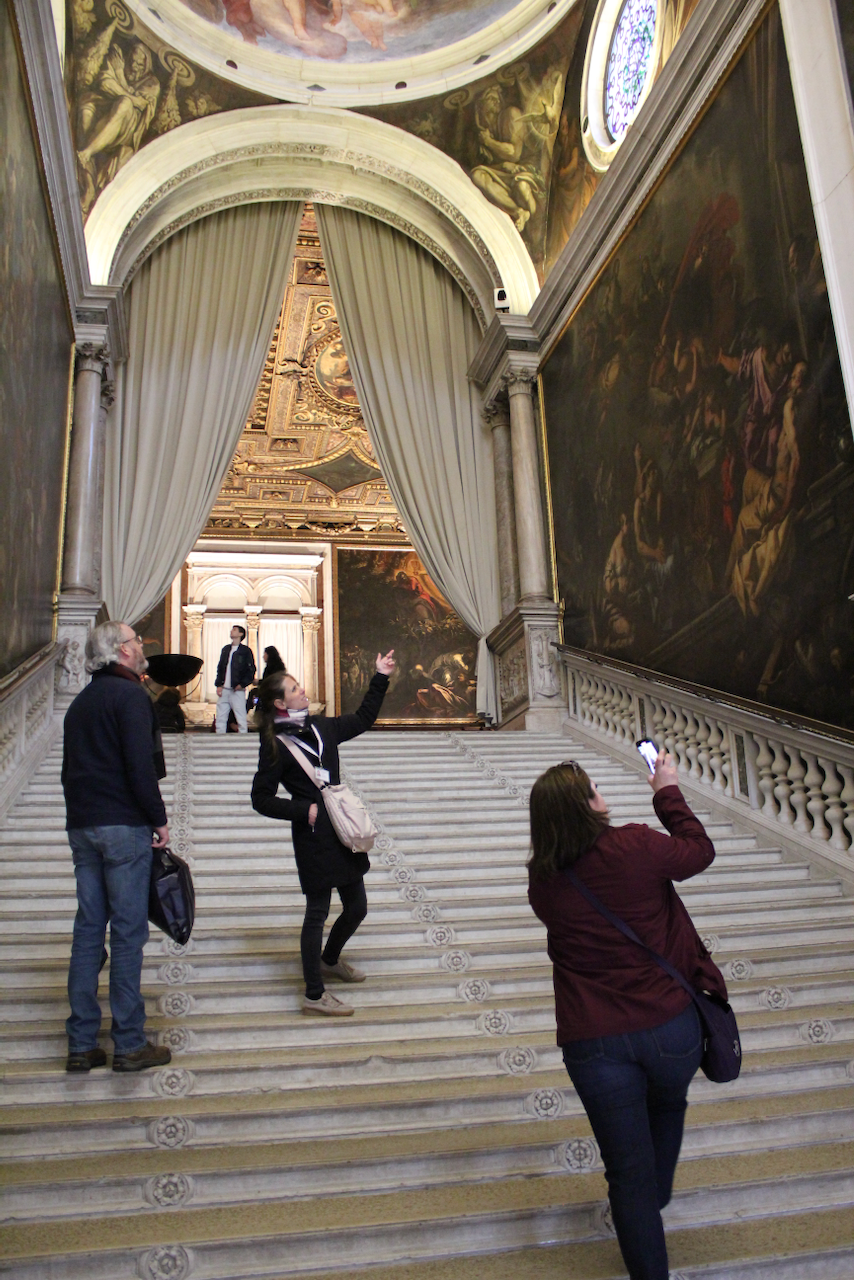
Our incredible guide, Fede, who lived in Venice her whole life, took us to her favorite local coffee spot, showed us her ancestral family home and gave incredible insight into her home city.
Why I Don’t Believe in Checklist Tourism
One of the biggest shifts experiential travel creates is how you choose to spend your time and money while traveling.
Instead of trying to cram every famous landmark into a rigid sightseeing checklist, you begin prioritizing the things that genuinely matter to you.
Am I going to send someone to Rome and tell them not to see the Colosseum? Probably not.
But I’m also probably not going to structure an entire exhausting day around standing in lines, rushing through crowds, and checking a box just to say you did it.
Sometimes it’s enough to experience iconic places more organically — seeing the Colosseum as part of the rhythm of the city, walking past it at sunset, admiring it during a guided drive through Rome, or stopping for a beautiful overview before moving on to something that connects more personally to your interests.
Because for some travelers, the highlight of the day may not be the landmark at all.
It might be:
A private food tour through Trastevere
A quiet wine bar tucked into a side street
A photography walk at sunrise
A conversation with a local artisan
A cooking class with a family
A hidden garden
A birding excursion outside the city
A family-owned leather workshop
A café where you linger for two hours simply because the atmosphere feels magical
Experiential travel gives you permission to stop traveling like you’re collecting proof and start traveling in a way that actually feels meaningful.
The goal isn’t to avoid iconic sights. It’s to keep them in balance so they enhance the journey instead of completely defining it.
Experiential Travel in Costa Rica
Costa Rica is one of my favorite examples of experiential travel in the world.
I still remember standing in the rainforest with local guides who could identify bird calls before I even realized there was movement in the trees. Their knowledge wasn’t scripted — it came from a lifetime of living alongside nature and studying it.
Through them, the rainforest became more than scenery. It became a living story.
That’s the difference experiential travel creates.
A beach can still be beautiful. A luxury resort can still feel restorative. But when you add meaningful experiences — guided wildlife encounters, cooking classes with local families, cultural traditions, conservation projects, regional food tours, private historians, naturalists, or hands-on adventure — a trip transforms into something personal.
You return home with more than photos.
You return home with perspective.
Designing Experiential Travel Around Your Passions
One of the reasons I love planning immersive travel experiences is because no two travelers connect with the world in exactly the same way.
For one person, that may mean birding in Costa Rica.
For another, it might be:
Learning pasta-making from a family in Tuscany
Soaking in an onsen in Japan
Tracing Revolutionary history through Boston and Philadelphia
Hiking through the Dolomites with a local guide
Exploring culinary traditions through private tastings
Taking an expedition cruise focused on wildlife and conservation
The experience becomes personal because the itinerary reflects the traveler — not just the destination.
Birding is actually a wonderful metaphor for intentional travel in general. The people who love it aren’t usually rushing from place to place. They’re paying attention. They’re present. They’re observing details most travelers miss.
And honestly? That’s often where the magic lives.
In a world where so much of life feels rushed, experiential travel gives us permission to slow down enough to actually connect — with a destination, with nature, with the people we love, and sometimes even with ourselves.
Those are the trips that stay with us long after the suitcase is unpacked.
At Two Birds Travel, I love helping travelers build itineraries around these kinds of meaningful moments — whether that’s experiential travel in Costa Rica, immersive Italy itineraries, wellness travel, expedition cruising, culinary experiences, or simply creating space to experience a destination more deeply instead of rushing through it.
Because the best vacations don’t just help us escape life for a little while.
They help us feel more alive while we’re there.
Frequently Asked Questions About Experiential Travel
What is experiential travel?
Experiential travel focuses on meaningful, immersive experiences that help travelers connect more deeply with a destination through culture, food, nature, local traditions, history, and personal interests.
How is experiential travel different from sightseeing?
Traditional sightseeing often focuses on visiting famous landmarks quickly and efficiently. Experiential travel prioritizes connection, slower travel, local interaction, and experiences that feel personally meaningful.
Can experiential travel still include luxury travel?
Absolutely. Luxury experiential travel often combines high-end accommodations and service with immersive cultural experiences, private guides, culinary access, wellness experiences, conservation travel, and highly personalized itineraries.
Is birding considered experiential travel?
Yes. Birding is a wonderful example of experiential travel because it encourages travelers to slow down, observe nature, connect with local ecosystems, and engage more deeply with a destination.
What are examples of experiential travel?
Examples include cooking classes, wildlife excursions, artisan workshops, wellness retreats, expedition cruising, guided hikes, wine tastings, cultural festivals, photography tours, birding trips, and immersive historical experiences.
How do travel advisors create experiential itineraries?
A good travel advisor designs itineraries around the traveler’s interests, passions, pace, and travel style — balancing iconic highlights with meaningful local experiences that create deeper connection and lasting memories.